
Reuse in EPR & DRS
Extended Producer Responsibility (EPR) & Deposit Return Systems (DRS) are better together! With the right provisions, these policies are instrumental for catalyzing reuse. Upstream advocates for strong reuse provisions in state-level EPR and DRS legislation across the US.
Upstream’s Principles for Reuse in EPR & DRS
We support EPR & DRS legislation with the following provisions:
Include reusable packaging as a covered material.
Clearly define “reusable” packaging.
Institutionalize reuse by investing program funds into reuse systems.
Incorporate financial incentives for producers to transition to reusables within program fee structures.
Mandate and measure reuse.
Enact DRS and EPR as complementary policies.
Center justice and equity in process and content.
Allow flexibility; avoid barriers to reuse. Ensure transparency.
Why EPR & DRS Together?
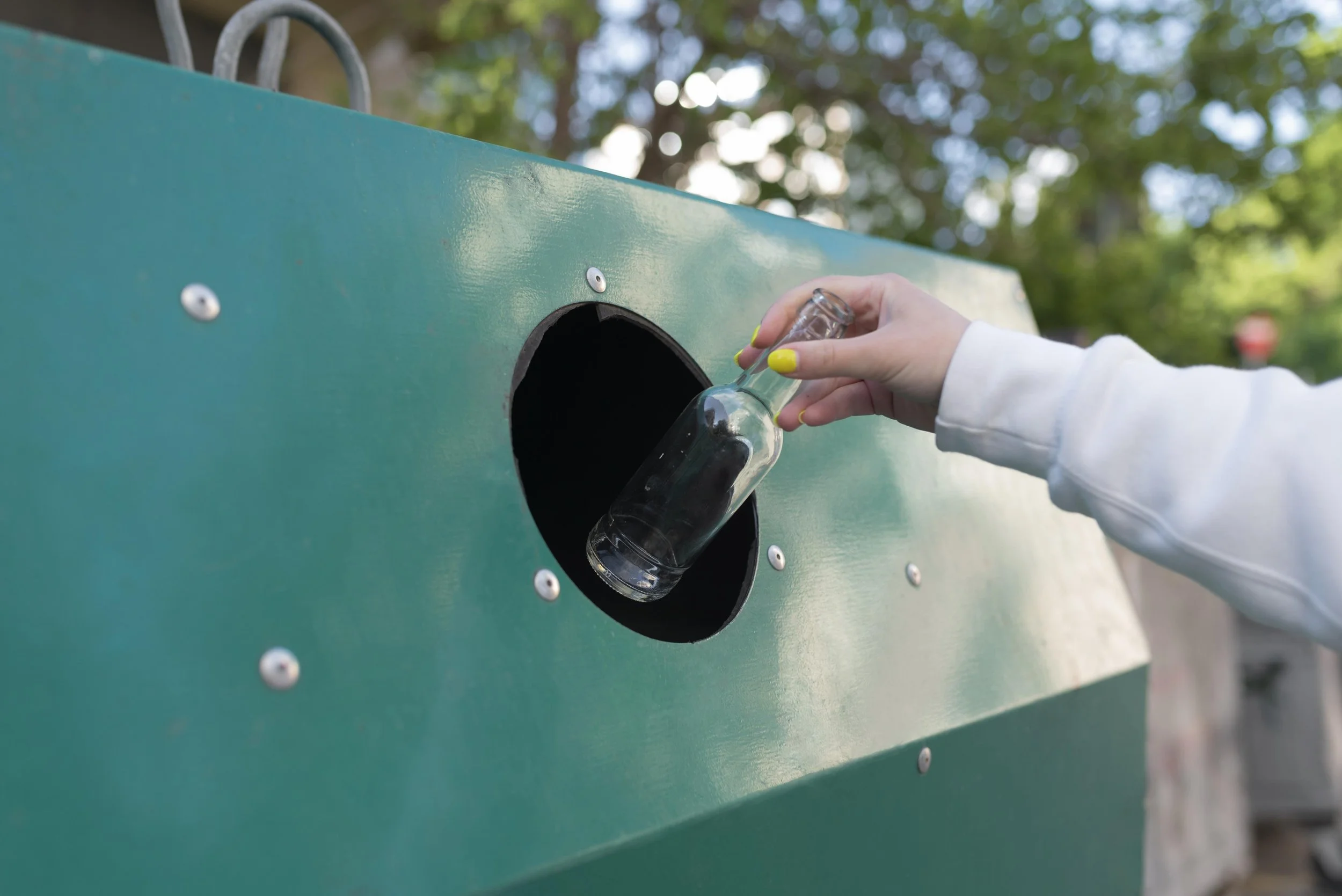
One of Upstream’s long-held positions is that EPR and DRS policies should be implemented together at the state level for best results. These two programs have distinct, complementary advantages that work best in tandem.
Packaging EPR holds producers accountable for the waste from products they place on the market and incentivizes them to choose more environmentally friendly packaging, such as reusables. It’s an important way to institutionalize and scale reusable packaging systems by providing funding for infrastructure and services and helping producers transition to reuse. But EPR doesn’t solve all the problems associated with packaging waste — especially litter.
It is well-documented that one of the best ways to reduce litter in our environment is through DRS. From a recycling perspective, the two programs also have distinct yet complementary outcomes. Logistically, DRS programs are typically faster to launch than packaging EPR programs, so they can help provide immediate benefits while packaging EPR programs roll out.
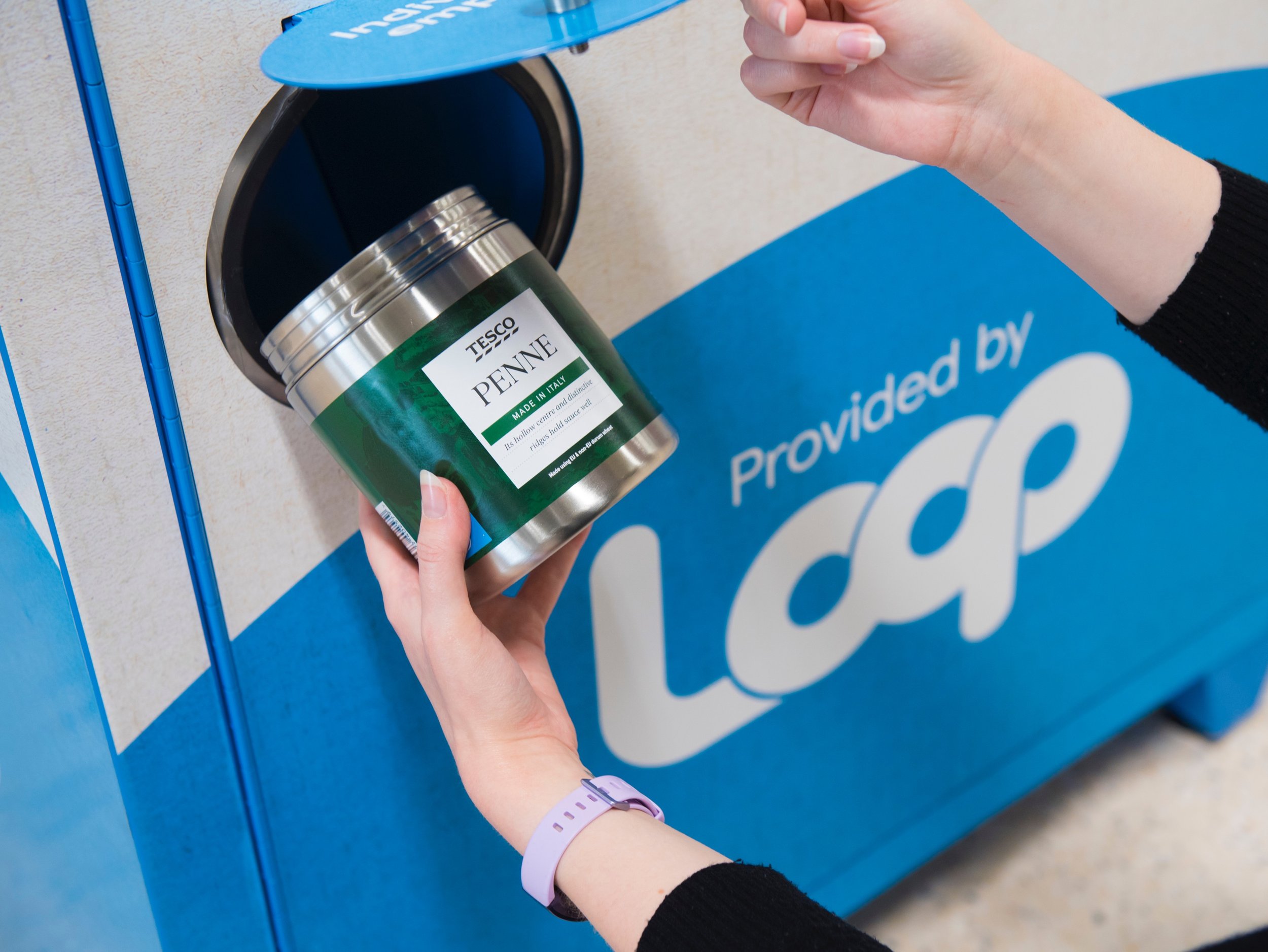
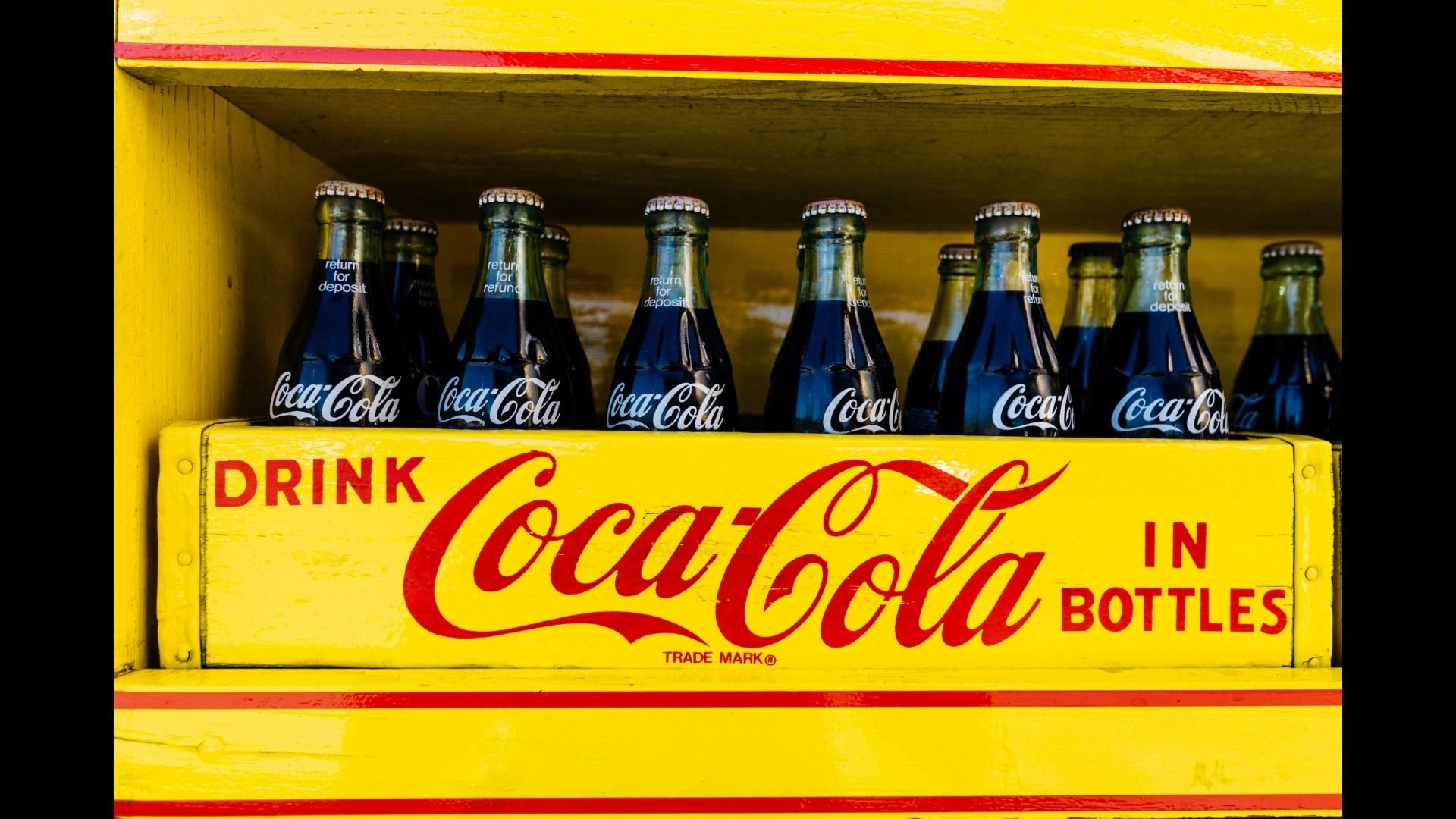
When it comes to scaling reusable packaging systems, the deposits in a DRS program provide a crucial incentive for consumers to return reusable and recyclable packaging — and high return rates are the cornerstone of successful reuse programs. Many reuse service providers and forward-thinking producers in the US, Canada and beyond have taken advantage of the high return rates and convenient drop-off infrastructure in DRS programs to collect reusable packaging (see three US examples here). DRS programs can also direct funding specifically into reuse systems—such as in Maine, where a portion of unclaimed deposits must be spent on reusable beverage container systems each year, helping anyone from local craft brewers and distillers to multi-national corporations de-risk investments in reuse.
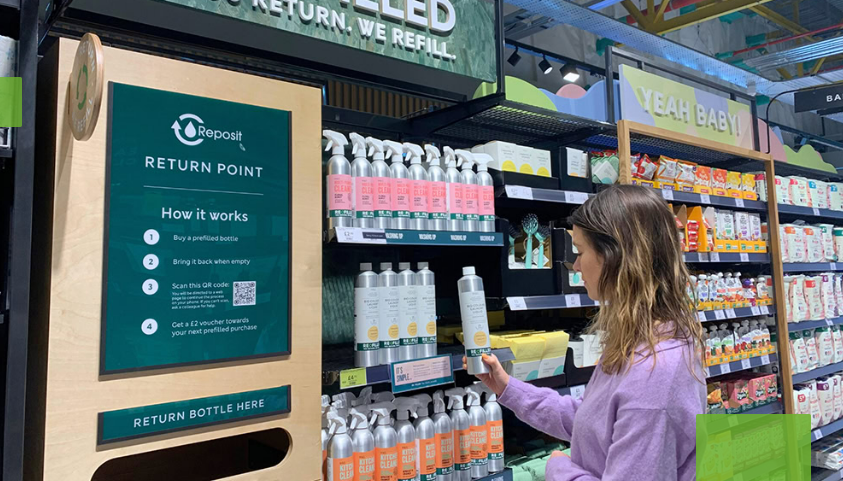
But a DRS program typically only serves beverage containers, and the opportunities for reusable packaging are much broader. To comprehensively scale reusable packaging into the Consumer Packaged Good (CPG) market, complementary packaging EPR programs that can provide funding, infrastructure and incentives for other packaging formats are needed.
When implemented together, these programs offer the best path for building efficient, interoperable infrastructure for reusable packaging across whole states or regions. An interoperable system minimizes the cost to producers of transitioning to reuse while maximizing job creation by transforming multiple product types at once. Consumers also benefit from more convenient and effective waste management: EPR systems help improve curbside collection, and they often lead to the build-out of depots for hard-to-recycle items (think flexible packaging). Meanwhile, DRS programs provide several convenient drop-off options for bottles. Not only is it more efficient to build all this infrastructure together for recyclables; it also means this comprehensive system can be made available to consumers for convenient returns of reusables, too.
While it’s not always politically feasible to pass packaging EPR and beverage container DRS laws together, we strongly advise advocates to focus on comprehensive legislation — with strong reuse provisions — whenever possible. Check out our resources below to support your efforts!
Image: Reposit
Resources
-

Embracing Reuse in US EPR Packaging Programs
-

Defining "reuse" in EPR & DRS
-

Policy Principles for EPR & DRS
-

The State of EPR in the US
-
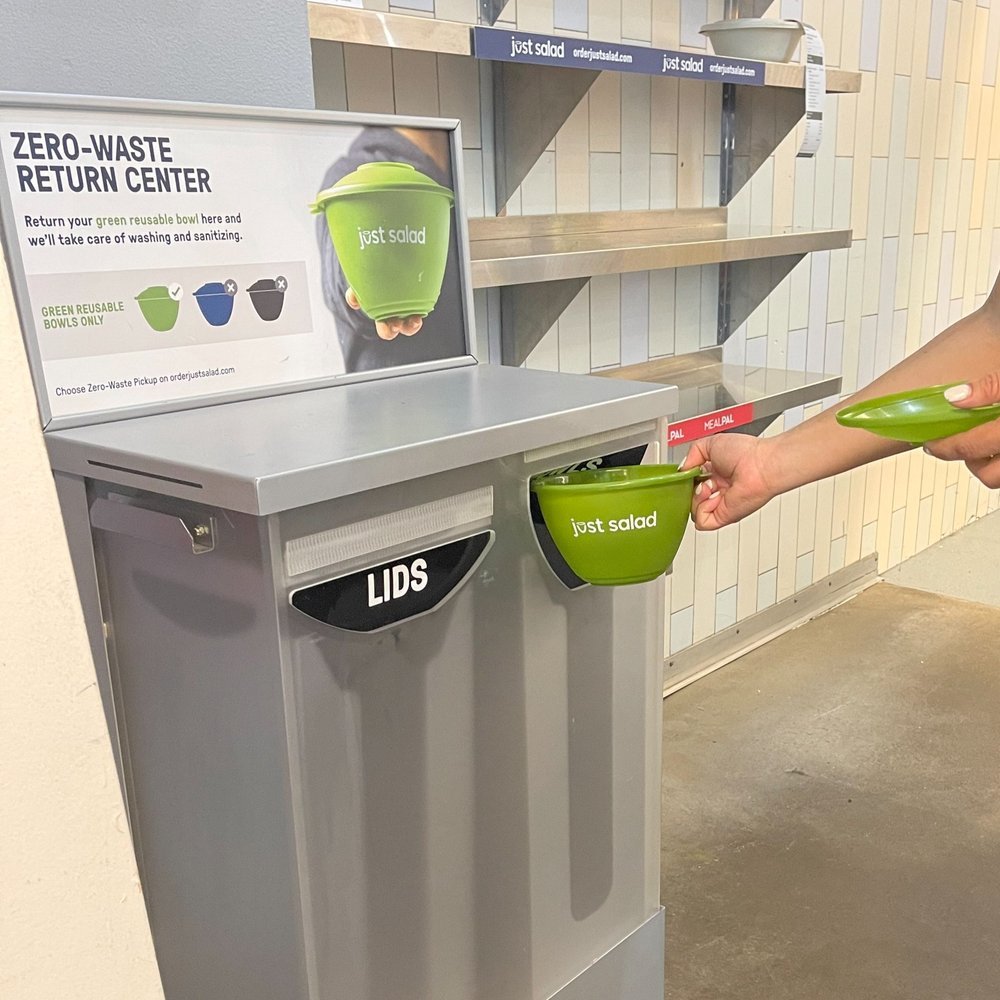
Prioritizing waste prevention in EPR laws
-
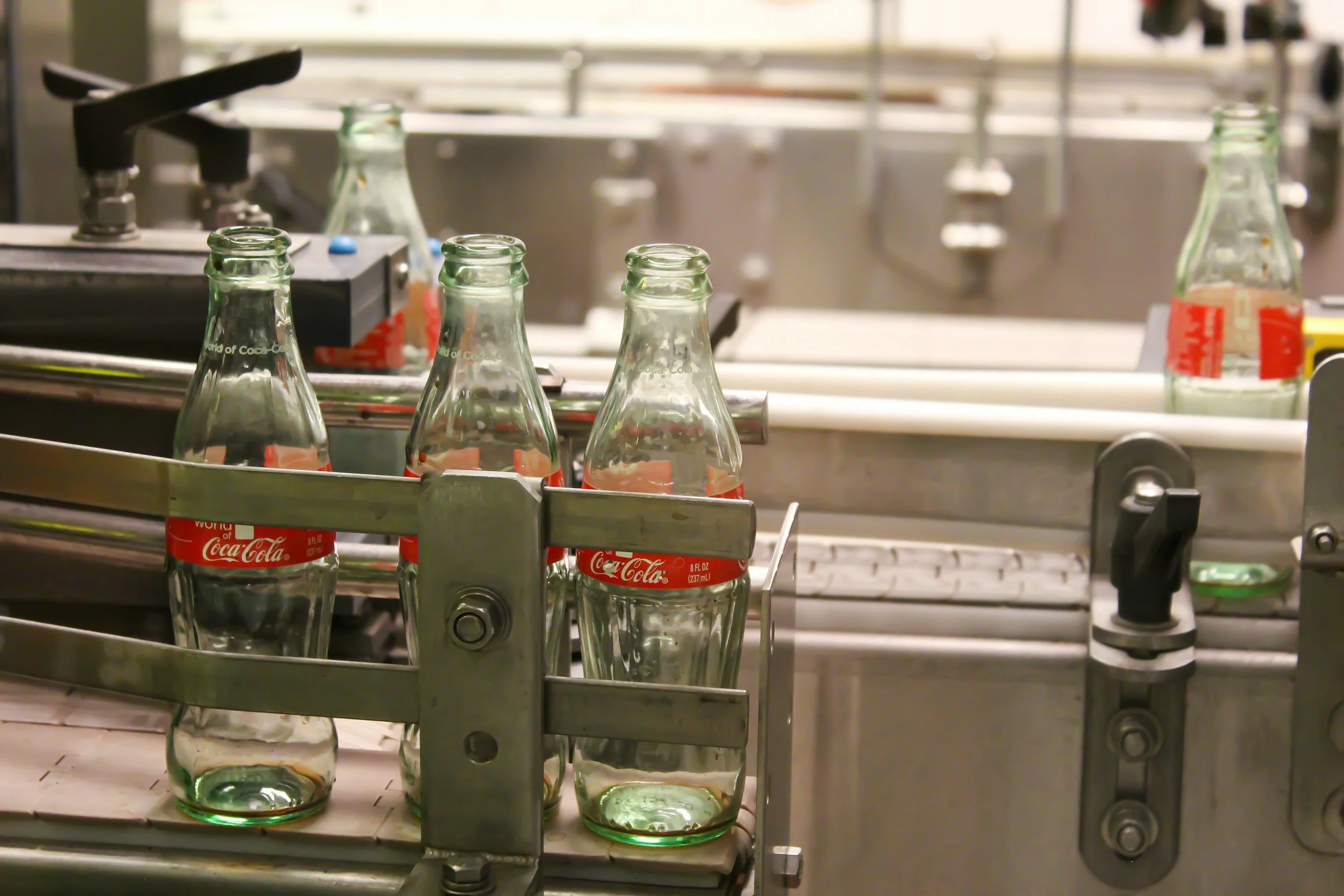
Deposit-Return Systems Accelerate Reuse
-

The New Reuse Economy
-

Recycling vs Reuse: Are they really so different?
-
What is EPR for packaging?
-
What is a Deposit-Return System?









Amidst rapid advancement of packaging EPR laws, stakeholders remain hyper-fixated on recycling. Solutions that require true systemic change, like reuse, risk being regarded as side issues in the absence of strong advocacy.